Trusted for 26+ Years

Dr. Lisa Lawless, CEO of Holistic Wisdom
Clinical Psychotherapist: Relationship & Sexual Health Expert
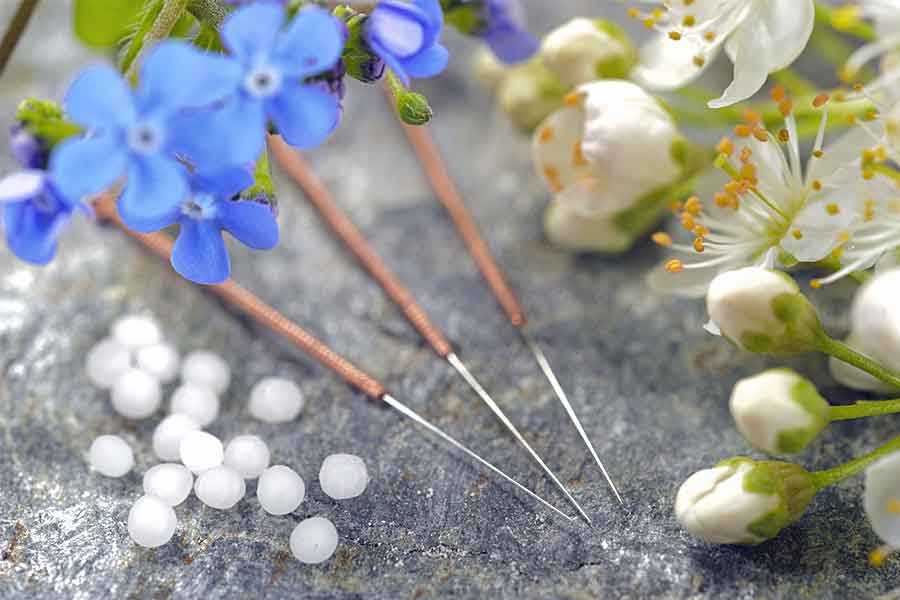
It is often funny to me that acupuncture is often considered a 'new alternative' medicine. In reality, acupuncture is an Asian medicine that is over 5,000 years old. In general terms, acupuncture is the insertion of very fine needles in the skin to create balance within the body.
Acupuncture is often used in conjunction with moxibustion, which is heat used to warm the body produced by burning specific herbs. In addition, a noninvasive method of massage therapy, called acupressure, can also be effective.
Many diseases and ailments can be treated successfully by acupuncture. From weight loss to ADD, acupuncture provides balance to the body. If you are concerned about the needles, let me say as one who has had acupuncture regularly that it does not hurt. The needles are so subtle that I only occasionally feel them being inserted, and that is only a temporary pinch.
For those concerned about acupuncture's safety, you should be aware that certified Acupuncturists in the U.S., as required by law, use disposable needles after having swabbed the skin with rubbing alcohol, the risk of infection is rare. If you are not sure, make sure that you ask that needles are sterile, disposable, and used only once.
Ensure that you see only a licensed acupuncturist or L.Ac. or is at least a Diplomate of Acupuncture, Dipl. Ac. who is board-certified by the NCCAOM.
The basis of acupuncture is that the body has an energy force running throughout it. This energy force is known as chi (also spelled Qi, and roughly pronounced "Chee"). Chi consists of the spiritual, emotional, mental, and physical aspects of life. A person's health is influenced by the flow of chi in the body and comprises two parts, Yin and Yang. These are opposite forces, that when balanced, work together. Any upset in the balance will result in disruptions in nature or disease in humans. Yin is associated with feminine attributes, which are: passive, dark, cold, moist, which is the opposite of Yang. Yang is associated with masculine attributes, which are: light, active, warm, dry, that which is the opposite of Yin.
The beauty of Yin and Yang is that nothing is completely one or the other. An example is perfectly shown in humans- A person is the combination of their mother (Yin) and father (Yang). They contain qualities of both. Whether or not you believe in this Taoist philosophy, one thing is indisputable: acupuncture does work.
If chi's flow in the body is insufficient, unbalanced, or interrupted, Yin and Yang become unbalanced, and illness may occur. Chi travels throughout the body along "Meridians" or special pathways. The Meridians (or Channels), are the same on both sides of the body (paired). Fourteen main meridians are running vertically up and down the surface of the body. Out of these, there are twelve organ Meridians in each half of the body (remember they are in pairs).
Meridians were once thought to be only energy-based lines along the body; however, in 2018, evidence was found that they are physical lines composed of fascia and vessel-nerve-bundles.
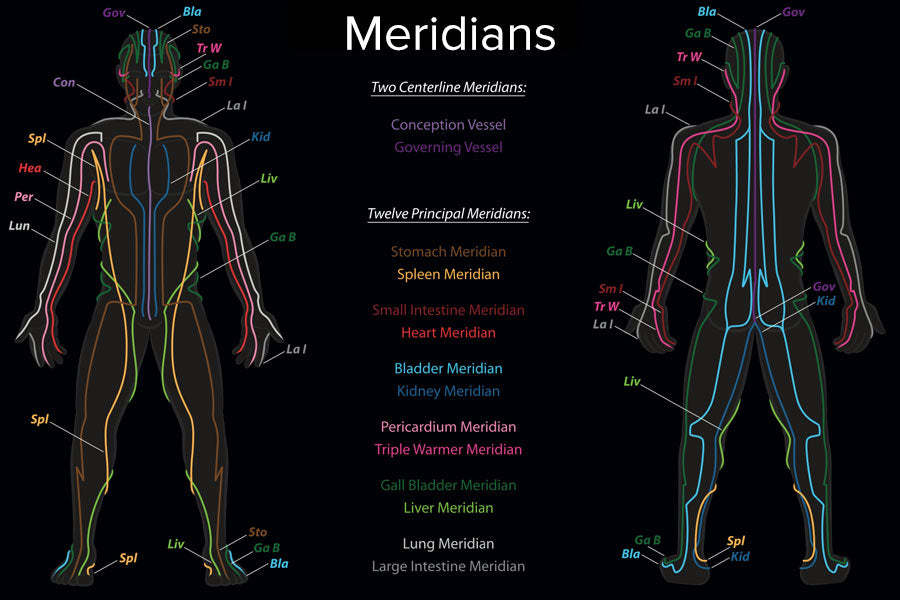
The acupuncture points are specific locations where the Meridians come to the surface of the skin and are easily accessible by "needling," Moxibustion, and Acupressure. The connections between them ensure even circulation of chi, a balance between Yin and Yang.
Energy continuously flows up and down these pathways. When pathways become obstructed, deficient, excessive, or just unbalanced, Yin and Yang are said to be thrown out of balance. This causes illness. Acupuncture is said to restore the balance.
Scientists have no real answer to this; as you know, many of the body's workings are still a mystery. There are a few prevailing theories:
There are many Acupuncturists in the U.S. today. Acupuncturists are licensed independently in most states, while some states require you to be a Medical Doctor to practice acupuncture. If you do decide to receive the therapeutic effects of acupuncture, I not only recommend finding out their credentials but make sure that they are compatible with your personality. Like a doctor or therapist, you should feel that you have a good rapport and have trust with your Acupuncturist.
For those wondering if Acupuncturists can treat sexual health issues, the answer is yes! Acupuncture, as well as Chinese herbs, are quite effective in treating sexual health issues and have been for centuries.
Acupuncture can assist with improving sexual health, including sexual performance and your libido (sex drive). It can also address the underlying causes that may be causing problems such as menopause, psychological issues, drug interactions, weight fluctuation, relationship issues, hormonal imbalances, and more.
Chinese medicine helps to stabilize the imbalances of Qi (Chi or Energy) within the body. When there is an issue of low libido (decreased sex drive), the organ systems that are typically addressed are the kidney and heart systems. Once an acupuncturist determines the specific problem areas, the specific points associated are stimulated by needling. However, other techniques, such as acupressure, cupping, electroacupuncture, and moxibustion, can also be used.
Chinese herbs can also help by balancing hormone levels, relaxing the mind where there may be stress, and increasing sexual performance, such as increasing erections in men and increasing lubrication in women.
There are, of course, many other sexual health issues that can be addressed by using acupuncture, and these include:
Acupuncture treats the whole person physically, emotionally, and mentally and therefore is a very effective tool in providing quality treatment for health in general as well as sexual health specifically. Unlike prescription drugs and other western medical approaches, acupuncture and Chinese herbal medicine offer very low risks of adverse reactions or side effects. In addition, it goes beyond treating just the symptoms and focuses on the cause of the problem.