Trusted for 26+ Years

Dr. Lisa Lawless, CEO of Holistic Wisdom
Clinical Psychotherapist: Relationship & Sexual Health Expert
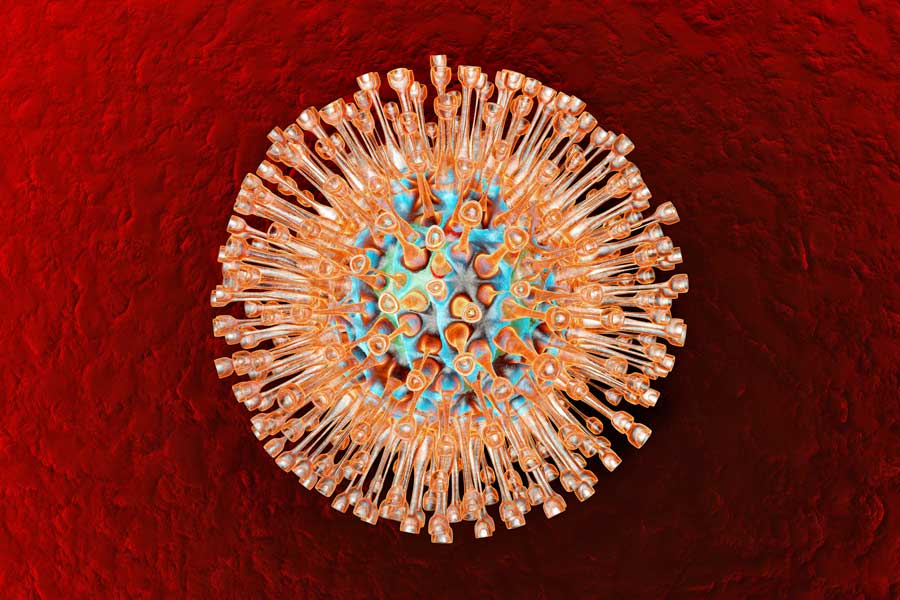
The Herpes virus (herpes labialis, HSV-1) affects 67 percent of the global population and creates painful and embarrassing cold sores. Preventing and managing herpes (HSV) breakouts can be challenging for many, but there are some holistic approaches to prevent them to, shorten the length of time of the breakout, and reduce the chance of transmission. This article provides alternative approaches to address both herpes types 1 & 2.
HSV can be one of the most challenging viruses to control with two types of the virus: simplex one (HSV-1) and two (HSV-2). Both HSV-1 and HSV-2 can be found orally and in the genital area. Type 1 is primarily oral and seen in the form of cold sores or fever blisters; however, it can also be seen on the genitals. Type 2 also looks like small blisters and is mainly seen on the genital region as it is sexually transmitted. To learn more about STDs, please see our STDs & Prevention Guide.
Does Not Indicate Cheating
Partners need to understand that a person can have genital herpes for many years without knowing it, so getting the diagnosis does not indicate that a partner has been unfaithful.
Valtrex is a commonly used drug for many who have herpes; however, it can cause a slew of unwanted side effects such as diarrhea, nausea, vomiting, headache, sore throat, dizziness, arthralgia, edema, confusion, constipation, rash, weakness, and abdominal pain just to name a few of the mild ones. Taking it long-term can cause liver and central nervous system damage. If you are looking for other options, you may wish to explore natural alternatives.
Before taking any supplement, vitamin, or consuming a natural plant or substance, it is essential to consult with your physician, as they can drastically impact your health. We highly recommend working with an integrative or holistic physician as they can better discuss holistic remedies in terms of safety with your health in mind. See our How to Talk To Your Doctor About Sex guide for tips.
Use caution in choosing the manufacturer you purchase supplements from to ensure you are getting what is promised, as there are many scam artists out there that do not deliver the real deal. There are currently four companies that offer third-party certifications, which are:
Propolis
Propolis is a waxy resin that comes from trees that have cones and from the buds of poplar trees. It is typically not available in straight form; rather, it is found in honeybee products. It can be applied to the skin or taken as a supplement to help heal herpes sores as it has antiviral properties. As with any plant and bee-based products, it can cause allergic reactions, especially for those allergic to bees, honey, poplars, conifers, Peru balsam, and salicylates. It may make asthma more severe, so asthmatic people should also avoid it. In addition, it can cause mouth ulcers and irritation if taken in the form of a lozenge, so caution should be used along with short-term use. The safety of propolis is unknown, so if you are pregnant, you may wish to avoid using it.
Rotes Caperata
Mushrooms offer extraordinary healing powers, and Rozites caperata (gypsy mushroom) is one of the more unique types as it has been shown to prevent and kill herpes simplex virus types 1 and 2 as well as block chickenpox, respiratory viruses, and the flu (influenza). Scientists are so excited about this mushroom that the active part of the mushroom called RC-183 has been patented.
Prunella Vulgaris
Prunella Vulgaris (self-heal or heal-all) are young leaves and stems that can be eaten, consumed as a supplement, or made into a tea or mouthwash. Researchers have determined that carbohydrates found in the prunella vulgaris plant help prevent the spread of the herpes viruses HSV-1 and HSV-2.
Hygiene
Nutrition & Health
Sexually