Trusted for 26+ Years

Dr. Lisa Lawless, CEO of Holistic Wisdom
Clinical Psychotherapist: Relationship & Sexual Health Expert
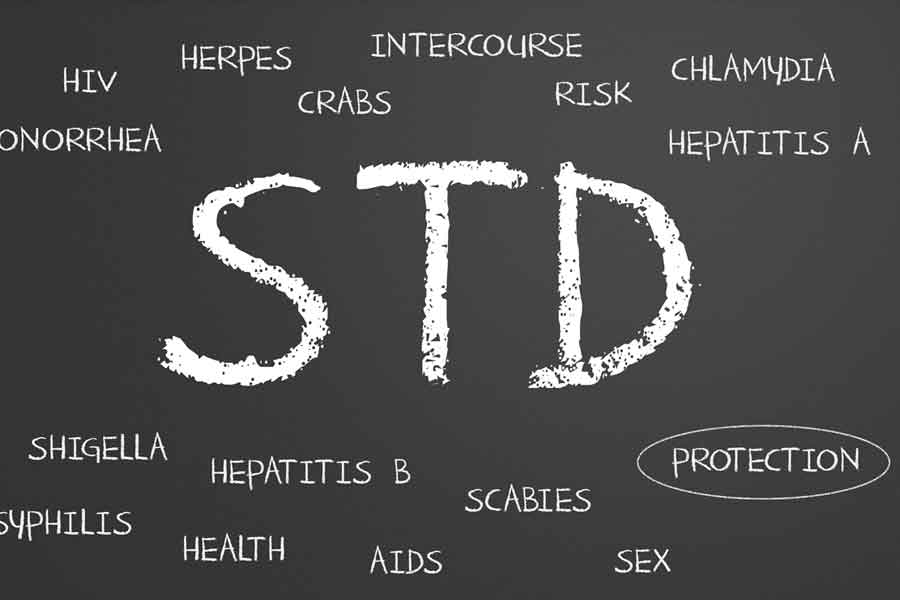
STD stands for sexually transmitted disease, whereas STI is for sexually transmitted infection. An infection is when bacteria, viruses, or other microbes enter the body and begin to multiply. They can then cause a disease to occur, which is when the cells in your body are damaged due to the infection. Thus, sexually transmitted diseases typically first begin as sexually transmitted infections.
 How Common Are STDs?
STDs are widespread, with nearly 68 million STIs reported in 2018 and almost $16 billion in lifetime medical costs. Over 40 million people are estimated to have chronic genital herpes and there are 4 million new chlamydia cases a year. According to the 2020 STD Surveillance Report by the US Centers for Disease Control and Prevention, cases of gonorrhea have risen 10%, and syphilis is up 7% in the United States.
Several STDs beyond HIV/AIDs (Human Immunodeficiency Virus/Acquired Immunodeficiency Syndrome) can be serious. STDs such as syphilis, gonorrhea, and chlamydia can have long-term health issues. These include pelvic inflammatory disease (PID) and the human papillomavirus (HPV), linked to cervical cancer development. In addition, STD infections during pregnancy can cause complications and health issues in a newborn baby.
STDs know no boundaries. Anyone sexually active can contract a sexually transmitted disease. STDs infect people of all ages, regions, ethnic backgrounds, and incomes. One in five Americans, or approximately 56 million people, carries an STD. Teenagers are at the highest risk of getting an STD. This is because of behavioral issues (teenagers are more prone to risk-taking) and biological issues (the teenaged cervix is more susceptible to chlamydia and gonorrhea infections).
Are Women At Greater Risk For STDs?
Because of differences in anatomy, women are at greater risk of acquiring an STD during male/female intercourse. Women are more likely to acquire chlamydia in a single act of unprotected intercourse with an infected partner. These odds are twice as high as a man's risk under the same circumstances. And because the female anatomy often hides early disease symptoms, women also suffer more severe, long-term effects from STDs, such as pelvic inflammatory disease and infertility. The good news is that women may get tested and treated if they have regular gynecological exams.
The stealthy nature of so many STDs make them challenging to diagnose. Many people with STDs experience no noticeable symptoms. Keep in mind that an asymptomatic STD infection can cause problems down the road. So if you think you have an STD, see your healthcare provider right away.
Most STDs are spread only through direct sexual contact with an infected person. However, pubic lice (crabs) and scabies are associated with close body contact, not necessarily sexual contact. It's rare but possible to become infected with pubic lice or scabies due to contact with infested clothes, sheets, or towels.
It is possible to get an STD from sharing a sex toy with a partner. The differences between a nonporous sex toy materials such as silicone, metal, or glass versus a porous sex toy such as a TPE or TPR elastomer are essential to understand. It is not advisable to use porous sex toys with a partner if you have concerns about STDs. It is also imperative that you disinfect nonporous sex toys before sharing them to prevent STDs. Here are some helpful guides on how to use and care for your sex toys:
Research shows that condoms, when used correctly, effectively reduce the transmission of most infectious diseases, including HIV. One of the problems with condoms is that many people use them incorrectly or sporadically. Remember, no method except abstinence is 100% effective, and not all STDs can be prevented by wearing a condom. An example of an STD that is not preventable by using a condom is genital warts, as contact with the skin can transmit it to any area of the body. For more helpful information about condoms, please see our Condoms & Dental Dams Guide.
When using condoms, it is vital to know what lubricants are safe to use with them, as using the wrong one can cause damage to the condom making it less reliable. Below is a graph outlining condoms and lubricant compatibility. For more helpful information about this topic, please see our guides: The Ultimate Personal Lubricant Guide and The Myth About Polyurethane Condoms & Lubricants.
 Testing For STDs
If you think you have an STD or have been exposed to one, see a healthcare provider immediately. Timing is everything; beginning treatment early helps minimize the long-term effects of most STDs. You also need to abstain from sexual contact until you're sure that you can't pass the STD on to someone else. That means no sex with anyone until your healthcare provider assures you that you're no longer contagious. In addition, make certain that your partner is tested to ensure their health and make sure you don't get reinfected.
Testing Accuracy
No test for any STD is 100% accurate. Some STDs don't show up right away, even to your healthcare provider. The time it takes for an infection to show up in testing can be anywhere from a couple of days to a few years. If you think you have an STD, get tested. Even if you test negative, you should continue practicing safer sex.
Confidential Vs. Anonymous Testing
There is an essential difference between confidential and anonymous testing, and the kind of testing you choose may have long-term implications. Confidential testing is a good option for people who need an official copy of their test results with their name on it. Confidential test results become part of your medical records, which can be released only with your written permission. Anonymous testing leaves no paper trail. When you have an anonymous test, you are known only by number, and the only person who learns the results is you.
Self Testing For STDs
It's not a good idea to test yourself. While some STDs may present identifiable symptoms, such as discharge or warts, many are not easily recognizable. Even more, they are asymptomatic (without symptoms). At this point, diagnosing STDs requires clinical training or laboratory tests. Currently, there are no home tests for STDs available, with the exception of an at home HIV test. If you feel concerned about talking to your doctor about sex, please see our helpful guide: How to Talk To Your Doctor About Sex.
If you discover that you have an STD or think you have one, it's normal to feel embarrassed, worried, and angry. Most people have emotional reactions, but there is no need to feel shame. It's important to remember that you're not alone and that STDs are very common. It's also vital to seek help; confide in your doctor or healthcare provider and begin treatment. Taking control of the situation may help you manage your feelings in addition to your physical needs. If you have difficulty processing your emotions, you may wish to consider getting counseling. For information about the types of therapy available, please see our guide: Types of Therapy.
Chlamydia is the number one bacterial sexually transmitted disease (STD) in the United States today. Four million new cases of chlamydia occur each year. It's pervasive among teens and young adults. When left untreated, pelvic inflammatory disease (PID), which can be caused by chlamydia, is a leading cause of infertility.
Symptoms
Chlamydia is a silent epidemic because three-quarters of women and half of men with the disease have no symptoms. Possible symptoms include discharge from the penis or vagina and a burning sensation when urinating. Women's additional symptoms include lower abdominal pain or pain during intercourse and bleeding between menstrual periods. Men may experience burning and itching around the opening of the penis and/or pain and swelling in the testicles.
Testing
There are two kinds of tests for chlamydia. One involves collecting a small amount of fluid from an infected site (cervix or penis) with a cotton swab. These tests are universally available. Tests, which use only urine samples, may make testing much easier and less painful, which you can ask your provider about.
Treatment
There has been significant progress in treating chlamydia with antibiotics over the past few years. A single dose of azithromycin or a week of doxycycline (twice daily) is the most commonly used treatment. Common side effects of these treatments include diarrhea (7%), nausea (5%), abdominal pain (5%), and vomiting (2%).
Prevention
You can get and spread chlamydia through unprotected vaginal and anal sex. Preventing chlamydia means approaching sexual relationships responsibly: limit the number of your sex partners, use condoms, and if you think you are infected, avoid any sexual contact and visit a local STD clinic, hospital, or doctor. Be sure your partner is treated to avoid becoming reinfected.
Genital warts are caused by the Human Papilloma Virus (HPV), one of the most common STDs. It is so common that at least 50% of men and women that are sexually active get it. HPVs are a group of more than 150 related viruses. It is estimated that over forty million people in the U.S. have HPV.
There are over one million new cases every year. Visible signs typically take three weeks to six months to show up. Therefore, it is difficult to know that you have them before having sex with them again. HPV infections contribute to cancer of the penis, anus, vulva, vagina, cervix, head, and neck. See our Sex With Cancer Guide should you have cancer.
Symptoms
When derived from oral sex (fellatio or cunnilingus), HPV causes warts to grow in the throat. It can sometimes block the airway, causing a hoarse voice or troubled breathing.
In Women
The HPV symptoms usually show up as pink and yellow bumps that are small to large. They can be raised or flat and shaped like cauliflower. These are considered subclinical infections. These are abnormal cell growths called dysplasia. They can be found inside and outside the vagina and around the anus. Persistent HPV infections are the primary cause of cervical cancer.
In Men
Link in women, warts show up as pink and yellow bumps that are small to large. They can be raised or flat and shaped like cauliflower and appear on the penis and sometimes the scrotum (skin holding the testicles). A study shows that male foreskin holds onto the HPV virus, making uncircumcised men at a higher risk of passing HPV to their partners.
Testing
Human Papillomavirus (HPV) is the virus that causes genital warts and cervical dysplasia (abnormal Pap smear). A physician can identify HPV from a physical check-up if warts have begun. They are easier to detect in women as a Pap smear (Papanicolaou test) can show the abnormal cell growth that warts demonstrate.
Diagnosing HPV in men without symptoms can be difficult. Men often think they have no symptoms when they have it. A healthcare provider often can see small warts, particularly if they are right inside the opening of the penis. Those warts can be treated, but most men with HPV do not have any symptoms. Men are more difficult to detect and can go undiagnosed and untreated. There is no treatment for asymptomatic HPV.
Treatment
There are several ways to remove visible genital warts, but the underlying HPV infection can't be cured. The virus that causes genital warts stays in your body and can cause warts to appear in the future. A doctor can get rid of smaller warts by freezing them (cryotherapy) or by burning them off with an acidic chemical such as podophyllin. In severe cases, wart treatment may require laser surgery. All three procedures can typically be done in a doctor's office with a local anesthetic. All removal methods require a local anesthetic and are performed on an outpatient basis. The good news is that HPV symptoms often go away on its own without causing health problems within a year or two.
Prevention
Genital warts are passed from one person to another during sex. The more sexual partners you have, the higher the risk of contracting the virus. Using condoms helps prevent contact with the infected areas and prevents you from getting genital warts. Reducing your number of sex partners and being in a monogamous relationship will also significantly reduce your exposure.
There are also two vaccines for children and young adults between the ages of 13 and 26 years of age: Gardasil® and Cervarix®, that have been shown to prevent infection. Gardasil® is used for both girls and boys. As most people do not have severe reactions, the Centers for Disease Control and Prevention (CDC) endorses these vaccines. There are no vaccines for adults over the age of 26 years old.
Condoms Don't Prevent HPV Transmission
Condoms do not necessarily prevent HPV transmission because it is passed by contact with the skin, and many who suffer from HPV exhibit no symptoms to let you know they have it. This virus is so prevalent because it does not just exist on the genitals, but it also can be found in the pubic hair area and other parts of the body, not just through the genitals or bodily fluids. Thus, condoms will not prevent it.
Gonorrhea is an STI that affects over one million men and women in the U.S. annually. Recently, scientists have found a superbug strain of gonorrhea called the H041 strain. Unfortunately, it is resistant to the antibiotics commonly used to treat gonorrhea.
 Symptoms
Symptoms of gonorrhea often show no symptoms, especially in women. Half of all women who have it do not show symptoms. It takes about two to five days for the symptoms to develop; however, it can take as long as thirty days.
When symptoms appear, they show up as discharge from the vagina or penis. The discharge is clear to milky and then becomes thicker and yellow with some blood. Some people refer to this as the drip. There can also be burning and pain during urination along with the discharge. Women can also have bleeding in between their periods. There can also be genital and anal itching, lower abdominal pain, and painful, swollen glands in the genital area. If left untreated, the infection can spread, causing joint pain and, in some rare cases, conjunctivitis (pink eye) and a sore throat.
Testing
The only way to know for certain is to have a test was done that is analyzed at a lab. They take a sample of the discharge and test it for the infection.
Treatment
Gonorrhea is treated with antibiotics such as Ofloxacin, Ceftriaxone, Ciprofloxacin, Cefixime, and Azithromycin.
Prevention
As you can get gonorrhea through vaginal, oral, and anal sex, prevention can be achieved by using latex or Polyurethane condoms which help prevent contact. Also, reducing your number of sex partners and being in a monogamous relationship will significantly reduce your exposure.
Hepatitis B is an infection of the liver caused by a virus. It's 100 times more infectious than HIV. About 300,000 Americans get hepatitis B each year. Most people recover, but a few become chronic carriers with an increased risk of serious problems later, such as permanent liver disease and cancer of the liver.
Symptoms
Symptoms usually appear within 2 to 6 weeks after contact. They can include poor appetite, nausea; vomiting; headaches; general malaise; jaundice (yellowing of eyes and skin), dark, tea-colored urine, and light-colored stools. Even without symptoms, you can pass the virus to others. Chronic carriers carry the hepatitis B virus for the rest of their lives and unknowingly pass it to their sex partners.
Testing
Routine testing is not usually indicated unless the patient is symptomatic from jaundice or has had recent sexual exposure to someone with hepatitis. Sometimes, serological testing (blood test) is done as part of a hepatitis B vaccination program. However, if you've already had hepatitis B, you don't need to be vaccinated. Remember that 90% to 95% of people who have hepatitis B will fully recover.
Treatment
For acute hepatitis B, treatment includes rest and a healthy diet. If your sex partner or a member of your household is found to have hepatitis B, you should consult your doctor or healthcare provider and get immunized. Immunization may include hepatitis B immune globulin and hepatitis B vaccination series.
Prevention
Like AIDS, the hepatitis B virus is spread through contact with infected blood or body fluids. You can get hepatitis B from vaginal, oral, or anal intercourse. It also can be passed from an infected mother to her baby during childbirth. To minimize your risk of contracting hepatitis B:
Hepatitis B is the only sexually transmitted disease (STD) that a vaccine can effectively prevent. The Centers for Disease Control (CDC) now recommends vaccination for all newborns to prevent infection of hepatitis B later on. The vaccine is highly effective and should be strongly considered. Check with your doctor to determine if you should be vaccinated against it.
Herpes simplex viruses are broken down into two types - HSV-1 and HSV-2. Most genital herpes cases are the HSV-2 type. Genital herpes has no cure and is a very common STD that affects over forty million people. That means that about one out of six people 14 to 49 years of age have it. Herpes is a chronic, lifelong viral infection that may or may not show symptoms. The Herpes infection stays in the body indefinitely; however, outbreaks decrease over the years.
Symptoms
Typically you will see symptoms about 2 to 20 days after having sex by experiencing blisters around your genitals or anus. The blisters will eventually break open, causing painful ulcers. They last about 2-4 weeks. Outbreaks typically are reduced over time and are not as strong as the first time. During the first outbreak, some people experience a burning sensation in their genitals and painful urination. There can also be lower back pain and a sense of feeling achy.
Women must avoid contracting herpes during pregnancy as it can lead to potentially (although rare) fatal infections in babies. If a woman has genital herpes when she is pregnant, a c-section is usually performed.
Testing
An outbreak is usually how a physician can determine if someone has herpes; however, it can also be tested from a blood test. A blood test typically takes two weeks to show results; however, sometimes, the results are not always accurate.
Treatment
There is no cure for genital herpes; however, some drugs can reduce herpes outbreaks, such as Acyclovir and Valtrex.
Holistic Treatments For Herpes
Alternative approaches to reducing outbreaks typically help increase the immune system's strength, such as elderberry, lysine supplements, licorice root, echinacea, raw garlic, calendula (marigold), castor oil packs applied to the abdomen, warm baths with mineral salts added, and acupuncture. However, you should discuss these with your physician before using them.
Prevention
Genital herpes is spread through vaginal, oral, and anal sex. Prevention can be achieved by using condoms which help prevent contact. Reducing your number of sex partners and being in a monogamous relationship will greatly reduce your exposure.
Acquired Immunodeficiency Syndrome (AIDS) causes failure of the immune system that can ultimately lead to death. From 1981 to 2006, AIDS has killed more than 25 million people. This mass epidemic transformed sexuality in ways that changed the world and exposed blatant discrimination against the LGBT+ community, especially gay men. If you wish to watch films about this, we highly recommend the following:
AIDS is caused by the Human Immunodeficiency Virus (HIV), which attacks the body's immune system. Without immunologic treatments upon discovering they are HIV positive, people with AIDS develop fatal infections and cancer.
Symptoms
Initially, fever, swollen lymph nodes, sore throat, rash, muscle pain, malaise, mouth, and esophageal sores. However, you can be infected with HIV, which causes AIDS and has no symptoms at all. It takes about 7 to 9 years for symptoms to develop. Most symptoms of AIDS are not caused directly by the HIV virus but by an infection or other condition acquired due to the weakened immune system. Symptoms can include severe weight loss, fevers, headaches, drenching night sweats, fatigue, severe diarrhea, shortness of breath, and difficulty swallowing. The symptoms tend to last for weeks or months and do not go away without treatment. Since these symptoms are commonly seen in other diseases, you can't assume any symptom is HIV/AIDS-related until you get laboratory tests. See a doctor if you think you may be at risk or if you have symptoms.
Testing
An HIV Rapid Self-Test can be done at home and can produce results within 20 minutes. Tests can also be performed at an AIDS testing site, a doctor's office, or clinic. HIV testing includes pretest counseling and an explanation of the benefits of testing. You may want to seek anonymous testing. When you undergo anonymous testing, you're identified only by number, and you're the only one who finds out the test results. The CDC National website: cdc.gov/hiv/ which can help you find a test site in your area.
Treatment
There is no current cure for HIV infection or AIDS but the most effective treatment for HIV is antiretroviral therapy (ART) which is a combination of medications. There are three classes of anti- HIV drugs, which include: Non-nucleoside reverse transcriptase inhibitors (NNRTIs). These drugs turn off a protein needed by HIV to replicate itself. Examples of these medications are efavirenz (Sustiva), rilpivirine (Edurant), and doravirine (Pifeltro).
If you have been exposed to HIV, you need to tell your sex partners and anyone you have shared needles and syringes that they too may have been exposed to the virus. They should all be tested for HIV infection. Health departments can help you contact former partners if you don't want to do this yourself. Anti-HIV treatment is usually indicated once the T-cell count goes below 500 (indicating a very weakened immune system).
A primary focus of HIV treatment is preventing other infections (opportunistic infection prophylaxis). For example, pneumocystis (PCP), tuberculosis, and systemic fungal infections can be effectively prevented, which are significant problems in HIV patients. Treatment of pregnant women have been shown to substantially reduce the transmission of HIV to the unborn baby.
Prevention
The National Institutes of Health (NIH) launched clinical trials of three mRNA HIV vaccines. The clinical trial is expected to be completed by July 2023. HIV is spread in two main ways: through unprotected sexual intercourse with an infected person or through sharing drug needles or syringes with an infected person. Women infected with HIV also can pass the virus to their babies during pregnancy or birth.
HIV is not passed by everyday social contact. Touching, hugging, and shaking hands with an infected person is safe. Some people think they may get HIV by donating blood. This is not so. A new needle is used for every donor, and you do not come into contact with anyone else's blood. Donated blood is now constantly screened for HIV; therefore, the risk of getting it from a blood transfusion in the United States is very low.
Kissing an infected person on the cheek or dry lips is not a known risk. No AIDS or HIV infection cases due to kissing have ever been reported. Short of avoiding sex entirely, you can protect yourself by having safer sex. Stay with one partner with whom you have discussed AIDS and who is prepared to have safer sex. Latex condoms have been shown to prevent HIV infection and other sexually transmitted diseases. Personal items such as razors and toothbrushes also may be blood-contaminated. Please do not share them with an infected person.
Syphilis is a serious disease that can be debilitating and even cause death if left untreated. You can have syphilis without knowing it and pass it on to others. There are an estimated 120,000 new cases of syphilis in the United States each year. According to the CDC, syphilis rates among newborns rose 235% between 2016 and 2020.
Symptoms
Syphilis has three stages. A painless sore may appear during the first stage at the spot where the bacteria first entered the body (usually from 10 to 90 days after sexual contact with an infected person). This sore may appear around or in the vagina, on the penis, or inside the mouth or anus. Sores inside the vagina or anus are often unnoticed and may disappear on their own if not treated, but the bacterial infection remains. The second stage occurs from 3 weeks to 3 months after the primary stage and includes flu-like symptoms and possible hair loss.
Some people experience a rash on the palms of the hands, the soles of the feet and over the entire body. Although extremely rare, tertiary syphilis can appear up to 3-10 years after the first and second stages. Symptoms may include loss of balance and vision, shooting pains in the legs, skin lesions, mental deterioration, loss of sensation, and heart disease.
Testing
See a doctor immediately if there's a chance you've been exposed to syphilis. A simple blood test can usually determine whether or not you have the disease. However, if you become infected 2 to 3 weeks before testing, the blood test might not be sensitive enough to pick it up.
Treatment
Fortunately, syphilis can be treated with proper antibiotics. The most common treatments are penicillin injections.
Antibiotic-Resistant Syphilis Spreading
A fast-spreading mutant strain of syphilis has proved resistant to the antibiotic pills offered to some patients as an alternative to painful penicillin shots. Since the late 1990s, doctors and public health clinics have been giving azithromycin to some syphilis patients because the long-acting antibiotic pill was highly effective and easy to use.
After syphilis sores disappear, the disease can silently attack the brain and cause dementia, paralysis, and death. Penicillin has long been the recommended treatment for syphilis. But it must be given in two injections much more painful than typical shots because a large amount of the solution must be forced into the muscle.
Syphilis decreased in the United States through the 1990s, but syphilis cases have been rising. More than 129,800 syphilis cases were recorded in 2019, which is double the case count of 2014. Black, Hispanic, and Native American babies are disproportionately at risk for congenital syphilis, which is also rising.
Prevention
You can get and spread syphilis through oral, anal, and vaginal sex. Preventing syphilis means approaching sexual relationships responsibly: limit the number of your sex partners, use condoms, and if you think you are infected, avoid any sexual contact and visit a local sexually transmitted disease (STD) clinic, hospital, or your doctor immediately. Be sure that your partners are tested, as well.
Trichomoniasis (trich) is a common sexually transmitted disease, attacking 2 to 3 million Americans every year. It is caused by infection with a flagellated protozoan, Trichomonas vaginalis.
Symptoms
Many people with trichomoniasis experience no symptoms. Women may experience itching, burning, vaginal or vulvar redness, unusual vaginal discharge, frequent and/or painful urination, pain during intercourse, and abdominal pain. Symptoms tend to worsen after menstruation. Men are usually asymptomatic, but symptoms can include unusual penile discharge, painful urination, and tingling inside the penis.
Testing
The healthcare provider will collect a sample of secretions from the penis or vagina and send it to a lab to see if trichomoniasis is present. It may take up to 2 weeks to get the result. Some providers can do a quick office examination of vaginal secretions.
Treatment
Trichomoniasis can be treated with antibiotics, usually a single dose of metronidazole (Flagyl).
Prevention
As with other diseases, trichomoniasis is spread through sexual contact. Using condoms (or another barrier method) provides some protection, as does knowing your partner's sexual history. Trichomania can also survive on infected objects such as sheets and towels and could be transmitted by sharing those objects. Even though he is almost always asymptomatic, the male partner needs to be treated.
Teenagers pledging to remain a virgin until they are married are testing positive for sexually transmitted diseases as often as those who don't pledge abstinence. A study that explored the sex lives of 12,000 teenagers showed that those who make a public pledge end up having fewer sex partners and get married earlier; however, they are still sexually active and are just as high at risk for STDs. A study done by Emory University showed that abstinence-only education programs increased teen birth rates and STDs.
Part of this is that those who pledge abstinence are typically less educated about STDs and are less likely to use condoms. They tend not to be prepared for sex because they are in denial that they will have sex. The Centers for Disease Control and Prevention (CDC) found that adolescents who receive sex education prior to their first sexual intercourse are at a lower risk for early initiation of sex and contracting STDs.
Check out the information below to find out more about STDs, their symptoms, treatment, and prevention. You also can contact your healthcare provider or local health department or visit the National STD website at cdc.gov/std/