Trusted for 26+ Years

Dr. Lisa Lawless, CEO of Holistic Wisdom
Clinical Psychotherapist: Relationship & Sexual Health Expert
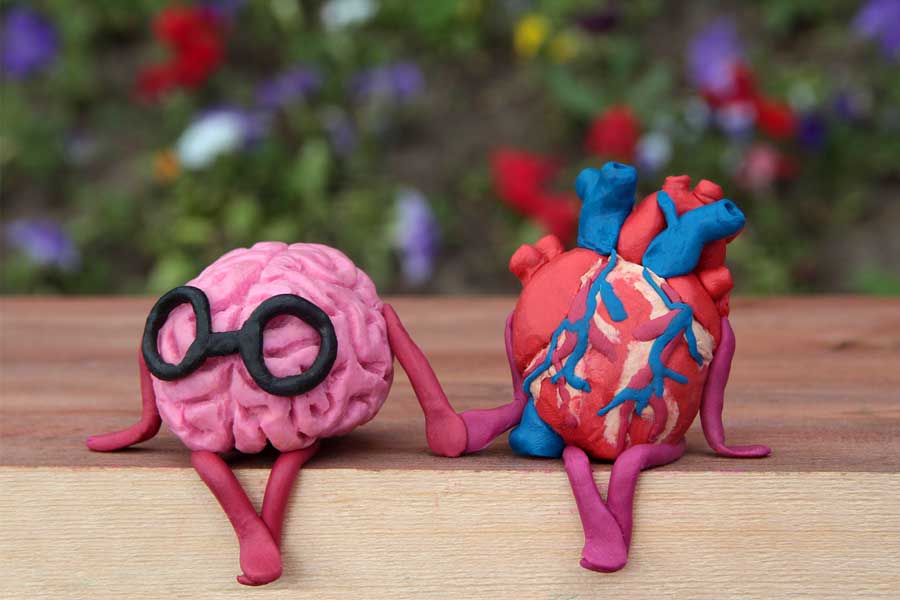
While most people refer to the infamous movie called the "Seven Year Itch" to describe the dip of emotional intensity in a relationship, you may wonder if there really is such a thing. It turns out there is, except it isn't seven years; it is two to four years.
Psychiatrists divide romantic love into two fundamental stages: the attraction phase and the attachment phase. During the attraction phase, infatuation engulfs lovers with giddiness, euphoria, optimism, and energy. These feelings are influenced by increased activity in the brain of such chemicals as dopamine, oxytocin, testosterone phenylethylamine, and other natural brain stimulants. In stage two, the attachment stage, there is often a peaceful, secure, comfortable love.
In the infatuation stage, often referred to as the 'Honeymoon Period' of a relationship, there is a virtual explosion of adrenaline-like neurochemicals such as PEA or phenylethylamine; a chemical that speeds up the flow of information between nerve cells. Also involved in 'love chemistry' are dopamine and norepinephrine, chemical cousins of amphetamines. Dopamine makes us feel good, and norepinephrine stimulates the production of adrenaline.
These three chemicals, combined with changes in hormones, give us infatuation (chemistry). It is why new lovers feel euphoric and energized and 'float on air.' It is also why new lovers can make love for hours and talk all night for weeks on end. This is undoubtedly the kind of chemistry of love we all seek.
It is interesting to note that FSH and testosterone levels may lower in men who fall in love, while women have increased testosterone levels. It has been said that the reduction is related to empathizing and systemizing, which men do more when they are falling in love.
However, because hormones fluctuate, these are not always stable. For example, when one is praised, it increases testosterone as well as oxytocin and feelings of closeness.
Oxytocin has been referred to as the cuddling chemical. Linked to milk production in women, oxytocin makes women and men calmer and more sensitive to others' feelings. It plays an essential role in romantic love as a sexual arousal hormone that signals orgasm and prompts cuddling between lovers before, during, and after lovemaking. Oxytocin production is derived from both emotional and physical cues. A lover's voice, a certain look, or even a sexual fantasy can trigger oxytocin release.
Because chemicals and chemistry fuel love, you can see lovers trying to increase this effect in their partner by giving chocolates, which have a similar impact on the brain in a less intense manner. Because chocolate increases endorphins, dopamine, serotonin, and oxytocin, they are a popular Valentine's day gift to encourage romance.
After the honeymoon period, the brain stops producing as much of these chemicals and builds tolerance. This is when most relationships begin to see an intensification of conflicts. Because many people do not have the communication skills they need to work through these challenges that provide growth opportunities, they will seek out the chemical high through a physical or emotional affair in person or on social media or by terminating their relationship and looking for it in someone else.
However, these same people will often find that they have similar issues that challenge them in their next relationship after the next honeymoon period comes to a chemical end. Thus, being aware of this allows us to understand that it is normal and that it is a sign we are moving into the stage of a relationship that may enable us to have the most emotional growth. This knowledge may also encourage couples to stick it out as there are emotional benefits and different chemical bonuses after the intensity dies.
Another vital aspect is emotional intelligence, which is an integral part of our evolution. To ignore the opportunity to evolve by working through our emotional challenges neglects the advancement of our emotional intelligence and makes us immature.
This applies to monogamous and open relationships and is not contingent upon one being married, regardless of one's style of commitment to someone. After the honeymoon period, we can learn the most about our partner(s), ourselves, and experience a deeper, more profound love than ever before.
However, it requires effort, and in this fast-paced, impatient society that we live in, neglect of this is common. It is why we see such a high divorce rate and the desire to numb ourselves with unhealthy coping skills to avoid the emotional work that it requires. See our Sex Therapy & Counseling for insights into therapy that may help developing your relationship emotional intelligence.
When infatuation subsides, a new group of chemicals takes over. Endorphins create this new type of chemical reward. These morphine-like opiates calm and reassure with intimacy, dependability, warmth, and shared experiences. In combination with other chemical reactions associated with love in the body, people through various studies have shown increased immune system productivity, better health, and longer life. It is why studies show that happily married people tend to have better health and live longer.
While long term love chemicals are not as exciting or as stressful as PEA, they are steadier and more addictive. The longer two people have been together, the more likely it is that they'll stay together. In part, they become addicted to the endorphins and their relationship serenity. In addition, senior sex is quite common, and despite ignorant stereotypes, many older couples are quite sexually active.
Couples who have been together for a long time can release the love chemicals from time to time when they participate in exciting, romantic activities such as public sex, BDSM role play, introduce sex toys, and other sexually exciting stimulation in their relationship.
It is the absence of endorphins that make long-time partners yearn for each other when apart. Absent endorphins also play a part in grief from the death of a spouse. In old age, once significant other dies, the other often dies within a year of the other.
It seems that long-term relationships are good for one's emotional health and your physical health. Again, these relationships don't have to be in a traditional marriage. Whether in heterosexual, same-sex relationships, open relationships, monogamous relationships, etc. any romantic relationship can experience long-term intimacy. It is more a matter of determining what type of relationship is right for you and finding a partner with a similar vision—then making an effort to communicate effectively with one another and invest effort into maintaining the relationship to go the distance.
Having an orgasm releases a surge of the pleasure hormone dopamine, which is one way to keep your relationship going strong. Thus, getting creative, using sex toys, and other sexual products can help produce those love chemicals and keep things feeling exciting.
Whether you have been with your partner for many years or even if you are single, you can embrace loving yourself and your sexuality for a healthier, longer life.
Make sure to see our sex tips and helpful articles on the latest types of sex toys available and how they can make your sex more creative, exciting, and fresh.