Trusted for 26+ Years

Dr. Lisa Lawless, CEO of Holistic Wisdom
Clinical Psychotherapist: Relationship & Sexual Health Expert
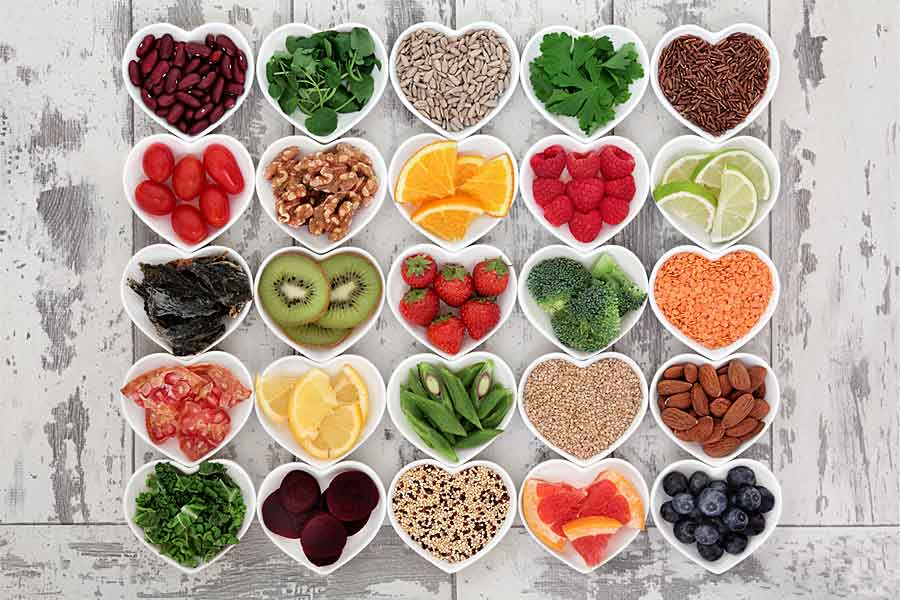
Finding ways to improve your health through nutrition can also improve your sex life. Sexual health is just an extension of your emotions, thoughts, and body's overall physical health. Looking at sex from a holistic perspective allows you to understand that everything is interconnected from your relationships, beliefs, mental health, and physical health.
This is why good nutrition is about keeping your sexual health optimized. Specifically, nutrition impacts your sexual health through circulation and hormone levels, affecting your libido, sexual performance, and other sexually related issues.
Heart health is vital to your sexual functioning as it controls the circulation in your body. Circulation moves blood to your genitals, creating your sexual responses and your ability to orgasm. If you have a decrease in your sexual functioning, you may wish to have your heart health checked by a doctor to ensure that the issues you are having are not secondary symptoms indicating that something more serious is going on with your heart and circulatory system.
For example, the most common causes of erectile dysfunction (ED) are heart disease, clogged blood vessels (atherosclerosis), high cholesterol, high blood pressure, and diabetes, all of which are health conditions that impact circulation in the body. Talk to your doctor about ruling out these issues if you are experiencing sexual performance issues.
You may hear the term inflammation when it comes to health quite a bit. The reason for this is how vital it is in your overall health, which, of course, impacts your sexual health. Inflammation is the immune system's response to irritants, injury, and infection. It is how your body protects itself from toxins, trauma (injuries), heat, viruses, and bacteria. The most damaging things we may put into our bodies that cause inflammation are unhealthy foods.
When the body is overwhelmed by these harmful things that damage our cells, they release chemicals, including histamine, bradykinin, and prostaglandins. When these chemicals are released into the body, they cause blood vessels to leak fluid into your tissues, which causes swelling.
Inflammation can be either short-lived (acute: hours or days) or long-lasting (chronic: months or years). When the body is experiencing chronic inflammation and is always swollen internally where you cannot see it or externally, it causes diseases such as cancer, heart disease, diabetes, asthma, and Alzheimer's disease.
Inflammation & Sexual Dysfunction
Inflammation impacts sexual functioning in various ways, such as inflammation around the vaginal opening (vulvar vestibulitis), causing painful sex (dyspareunia). Inflammation can also cause vaginal yeast infections, urinary tract infections, or sexually transmitted infections (STIs), leading to painful intercourse.
Inflammation can also affect the penis, commonly known as balanitis, which is inflammation of the head (glans) of the penis. If the foreskin is also inflamed, the condition is called balanoposthitis. Inflammation can cause foreskin problems, deformities of the penis, prolonged erections (priapism), hypersensitivity, and other skin disorders.
Inflammation can also cause secondary sexual issues such as sexual dysfunction and low libido. For example, sexual dysfunction is highly prevalent among those with inflammatory arthritis, Inflammatory Bowel Disease (IBD), Crohn's disease or ulcerative colitis, and many other diseases related to inflammation, especially autoimmune associated.
Examples Of Foods That Cause Inflammation
Examples Of A Healthy Diet
This is what the food pyramid should look like for a non-inflammatory, healthy diet:
G-BOMBS
G-BOMBS is an acronym created by Joel Fuhrman, M.D, to help you remember the best anti-inflammatory, health-promoting foods. It stands for greens, beans, onions, mushrooms, berries, and seeds (along with nuts). They are the healthiest foods that you can eat and should be consumed daily, not just for your overall health but for your sexual health and performance.
Unhealthy & Healthy Fats
Too much-saturated fat can, over time, clog arteries and prevent an adequate flow of blood from reaching the genital region. This not only interferes with the ability to perform sexually but also impacts sexual pleasure. Let's review the healthy and unhealthy fats:
Enhancing Blood Circulation With Healthy Fats
The healthiest fats that you can get from food are omega-3s. Omega-3 fats benefit our nervous system, neurological functioning, and enhanced circulation, which aids in sexual function. They also help keep your immune system healthy and help lower the risk of heart disease. These fatty acids are different than most other fats as they are not just used for energy or stored energy. These fats are biologically active and help the body through essential functions such as blood clotting and reducing inflammation.
The Importance Of The Omega-6 & Omega-3 Ratios
Omega-6 fats play an essential role in regulating our genes and aids in immune health and blood clotting. Some omega-6 fatty acids have shown benefits in treating chronic disease symptoms, such as gamma-linolenic acid (GLA), found in evening primrose oil and borage oil. This is because when you consume them, they are converted into a good fatty acid called dihomo-gamma-linolenic acid (DGLA).
However, a diet that is too high in omega-6 polyunsaturated fatty acids (PUFA) can increase inflammation, causing a higher risk of many chronic diseases. Western diets are typically deficient in omega-3 fatty acids while having excessive amounts of omega-6 fatty acids. The proper ratio of omega-6 to omega-3 is less than 4-to-1.
Be Careful Of Omega-6 In Supplements
Check your health products that have omega-6 in them. You may think you are buying a healthy supplement, but if it has a high amount of omega-6 and a low amount of omega-3, then what you are taking would be inflammatory. Again, the proper ratio of omega-6 to omega-3 is less than 4-to-1.
There are three types of omega-3 fats:
Examples of foods high in omega-3 fats:
There are four types of omega-6 fats:
Best Way To Get Omega-3 Oils
Nuts, seeds, and avocados the healthiest way to get these oils. They are much better whole than processed oils as the body processes them differently. They do not contribute to excess body fat the way that processed oils do.
Avocados are a great example of sexually potent foods as they have high antioxidant properties, potassium, and vitamin B6, which promotes better blood flow. They're also a good source of heart-healthy monounsaturated fats.
Keep Hormones Balanced With Healthy Fats
You need healthy fat to produce your hormones as cholesterol is metabolized in the liver, which is how you get your testosterone and estrogen, impacting your sex drive.
Walnuts are a perfect example of a nut that contains monounsaturated and polyunsaturated fats (PUFAs), which are healthy fats. Walnuts are best known for their essential fatty acids (omega-3), biotin, manganese, molybdenum, vitamin E, and B6. Other nuts such as almonds, macadamia nuts, hazelnuts, and pecans are also excellent for your health as well as your sex life.
Soaking & Drying Your Nuts
The best way to consume nuts is to pre-soak them in water (at least for 3 hours) and dry them first to help the body absorb them better by removing enzyme inhibitors, phytates (phytic acid), polyphenols (tannins), and goitrogens. That aside, they taste so much better as the bitter taste is removed. Walnuts become super buttery tasting once soaked and dried.
The best way to soak them is overnight in filtered water and then use a dehydrator or oven at 145 F for 2 hours, and then lower the temperature to 118 F to preserve the live enzymes. Make sure to dry them thoroughly to remove all moisture. To dry completely, keep them drying for at least 12-24 hours. Once dry, keep them refrigerated and eat at your leisure.
Fish also contains healthy fat and is found in salmon, tuna, trout, and many others. If you eat fish, make sure to avoid farm-raised fish or go for companies that pole-catch fish that are younger and smaller as they will have less mercury.
Studies have shown that weight loss in those who are overweight increases sex drive and sexual performance. Research shows that obesity lowers libido and sexual performance, so maintaining a healthy weight is an excellent way to feel your most healthy sexual functioning levels. See our Weight Loss For Better Sex Guide for more helpful information.
Kale has been long known for its health benefits and is terrific for improving your sexual health and sexual performance. This superfood makes you feel good and improves your mood by stimulating your brain, increases your energy levels, and helps you maintain healthy sugar levels. The nutrient-dense leaves of kale provide an increase in libido while it balances and nurtures your hormone levels. Kale is so full of vitamins A, C, and K that it is one of the healthiest foods you can consume.
It is lower in oxalate than spinach and chard making it an excellent green leafy vegetable option for avoiding oxalate-rich foods. There are only 17 milligrams of oxalate in a hundred grams (about 3 ounces) of kale, making it impossible to eat enough kale to cause kidney stones.
Blending Greens Is Best
Blending dark leafy greens is one of the healthiest things you can do, so green smoothies are ideal. The reason green smoothies are so good for you is that just 40 seconds in a blender can break down your greens to a subcellular level. This means your body will absorb more of the nutrients, and you end up with more than twice as much in your bloodstream.
If you want to add fruit, berries (blueberries, blackberries, raspberries, and strawberries) are your best bet as they do not spike your glucose levels as do fruits, such as pineapple, bananas, or apples do. In fact, berries actually lower your glucose and lipid levels.
In addition, it is also helpful to add a healthy source of omega-3 fats such as walnuts, flax seeds, and avocados. The healthy fat helps increase nutrient absorption as well.
Finally, a green smoothie tip beyond just making them healthy is to sip them using a straw as it will help protect your enamel and prevent staining from the berries and greens. Straws made out of silicone come in wide versions so that you can enjoy even thick smoothies without a problem.
Is Juicing Healthy?
Juicing has been promoted as a healthy option for people. It was based on the thinking that removing fiber was not necessary. However, the fiber is quite nutritionally significant, and it is why juicing is not healthy to do, especially with fruit. You are much better off blending and making a smoothie using berries as they are low glycemic fruit.
There are two reasons why juicing is not a healthy option. First, it causes you to consume a lot more calories and fructose than you would normally. When we eat fruit, we will eat one orange. When we juice fruit, we may drink the equivalent of three oranges or more. This means a much higher increase in caloric intake as well as fructose.
While fructose is not bad for you in small doses, such as when we eat an orange, drinking many oranges causes our body to overreact. Our glucose levels spike too high. Our insulin levels go up in response, which causes our glucose levels to drop dramatically below what they were before we had the juice. In addition, our body dumps fat into our bloodstream. This means that your body may still feel unsatisfied after you have had juice and may feel hungry a short time later.
We remove a lot more than fiber when we juice. Fiber is not just a filler; it inhibits the growth of bad bacteria and increases mineral absorption. When we remove it, we remove the nonextractable polyphenols, which are phytonutrients that are bound to the fiber. Thus, we make fruits and vegetables much less healthy by juicing them.
Even studies that show the health benefits of fruits and vegetables demonstrate this. For example, eating apples lowers cholesterol; drinking apple juice does not.
Blending Is Best
Blending is even better for you as it keeps all the healthy fiber you need to digest food, so making healthy smoothies is a great way to get in your nutrients.
The best fruit that you can blend that does not have this effect are berries. Berries are not just glycemic neutral; they improve glycemic control, meaning that they have the opposite effect. This means that berries are ideal for blending.
The best type of smoothie to have would be dark leafy greens (kale, spinach, chard) and berries (blackberries, blueberries, raspberries, strawberries) and healthy fat in the form of seeds, nuts, or an avocado.
Example Of A Super Healthy Green Smoothie:
How Does Kale Make Sex Better?
Kale offers a very high amount of vitamin A, which helps balance hormones and keeps your skin supple and well hydrated. Specifically, it increases sex hormone production and prevents the atrophy of the testicles and ovaries from becoming sterile.
Kale's vitamin C levels are relatively high, which helps increase iron intake and increases the adrenal glands' metabolism, thus creating healthy oxygen-rich blood cells. This, in turn, supports your sex organs for arousal, increased pleasure, and endurance. In addition, kale also contains vitamin B6, which increases libido and sex hormone production.
The chlorophyll in kale assists in increasing range of motion, flexibility and reduces unwanted inflammation. This makes for great ease in those creative sexual positions. At the same time, the magnesium in kale supports sex hormones and aids in producing neurotransmitters, while potassium increases libido.
Another exciting bonus of kale is that it is highly effective in treating premenstrual syndrome (PMS). Only natural foods that contain B6 have been shown to treat such symptoms as opposed to B6 supplements.
Apples
The Archives of Gynecology and Obstetrics published a study showing that apples can increase sex drive. They contain polyphenols and antioxidants that stimulate blood flow to the genital sand aide with arousal. Apples also contain phloridzin, which assists the body with lubrication production.
Berries
Berries lower blood pressure to help blood vessels relax and improve circulation. For example, black raspberries are phytochemical-rich food that enhances both sex drive and sexual endurance. Just having ten berries or a tablespoon of their seeds can make a difference in sexual performance.
Pumpkin Seeds
Like oysters, pumpkin seeds are extremely rich in zinc and quite a bit cheaper. They prevent cancer, boost your immune system, improve cardiovascular health, prevent diabetes, elevate your mood, prevent depression and Alzheimer's disease, improve athletic performance and strength, boost reproductive health and fertility. A zinc deficiency can cause you to lose your sex drive, so enjoy these wonderful seeds that are so good for you and better enjoy good health and sex.
Raisins
Did you know that raisins are good for increasing your sex drive? It's true. Enjoy natural stimulation through regular consumption of raisins as they contain the amino acid arginine, which helps to arouse the libido.
Watermelon
Watermelon contains high in libido-boosting phytonutrients. It contains compounds that relax blood vessels, improving blood flow to erectile tissue (founding the clitoris and penis), and increasing arousal.
Figs
Figs are high in calcium, iron, potassium, zinc and are packed with fiber, which provides nutrients for great sex while giving you a delicious snack.
Chili Peppers
Hot peppers contain capsaicin, increasing libido through increased blood flow and the endorphin rush they release.
Sweet Potatoes & Yams
Sweet potatoes may increase sex drive due to high levels of vitamin E. While yams have been found to contain a hormone used in birth control called progesterone. Drug manufacturers can extract this hormone from wild Mexican yams, which will soon be on the market, making birth control more affordable. See more in our helpful article on Yams & Sexual Health.
Seaweed
There are four classes of seaweeds which are green, brown, red, and blue-green. They all have health benefits when you consume them; however, you may not know that seaweed is classified as an aphrodisiac. It is a good source of manganese, a mineral known to increase your sex drive. Additionally, seaweed aids in sexual functioning as it contains vitamin E, which helps produce healthy sperm by fighting free radicals in the sperm membrane and regulates the function of sex glands.
Seaweed also has a high vitamin B2 content, which contributes to healthy hormone production. A study that specifically utilized the seaweed bladderwrack indicated that it might delay the menstrual cycle's ending through menopause. The study showed that this was possible as seaweed exerts anti-estrogenic effects in pre-menopausal women.
Additional Health Benefits of Seaweed
How to Eat Seaweeds
Now that you know how healthy it is, you may wonder how one eats seaweed. For those that do not like the taste, there are capsules that you can swallow, and there are shakers much like salt shakers where you can sprinkle it on your food and not taste it when it mixes with other flavors.
Consumers are going so wild over the health benefits of seaweed that you can now easily get seaweed chips and rice cakes. The most common way to eat it is with sushi, in soups like miso, over rice or quinoa, and salads. However, there are many ways to prepare seaweed.
There are two fabulous cookbooks for seaweed recipes:
Tomatoes
Studies show that lycopene found in tomatoes helps maintain prostate health. Lycopene is best absorbed when tomatoes are cooked with a little oil, as in pasta sauce, which is a perfect way to introduce healthy oils. Remember not to cook oils high in Omega-3s in high heat as it converts them to the bad kind of fat. If in doubt, use them as a dipping sauce with garlic and herbs for whole-grain bread.
Pomegranate
Pomegranate has a positive effect on erectile dysfunction because of the high antioxidants that support blood flow. Avoid the juice as it is processed and often contains added sugar. To get the best benefits, eat the fruit's inside, which contains red orbs filled with crunchy, juicy seeds known as arils.
Caffeine & Coffee
Caffeine has been found to relax the erectile tissue of the penis and clitoris, thus helping with sexual dysfunction. Furthermore, coffee is rich in sex-friendly polyphenols and can pump up testosterone concentrations, enhancing blood flow to the penis and vagina.
Prunes, ginseng, aniseed, onion and garlic, carrots, ginger, artichokes, and Aubergine are some of the foods claimed to enhance sexual pleasure.
Pineapple & Fenugreek Makes Ejaculate Taste Better
Pineapples make both female ejaculate and semen less bitter and taste sweeter. See more foods that make ejaculate taste better. Fenugreek also works well. Make sure to see our How To Make Ejaculate Smell & Taste Better Guide for more helpful information.
Soy & Phytoestrogens
You may have heard that consuming soy will lower your sex drive by increasing estrogen because it contains phytoestrogens. This is a common myth repeated in articles again and again, especially with bodybuilders. The truth is that it does not lower sex drive or increase estrogen because your body knows the difference, and below we will dispel that myth. However, what it does offer is a low fat, vegan option for healthy meals that can improve your overall health and sexual health.
Soy-based foods such a soybean (edamame), tempeh (fermented soybeans), and other healthy and non-processed forms of soy have high amounts of phytoestrogens, so there has been controversy around them concerning their effects upon sexuality. There have even been false claims that they increase estrogen levels in men and increase women's breast cancer risks. Here is why that is not correct.
Your body knows the difference between estrogen and plant-based phytoestrogens. We know this because of the receptors that are used to process them. There are two estrogen receptors in the body, alpha (A receptor) and beta (B receptor). Unlike actual estrogen, which binds to A receptors, soy phytoestrogens bind to the B receptors. This is critical because each receptor has completely different ways of distributing the estrogen and phytoestrogen hormones.
A medical study done in 2004 shows that because the B receptors distribute phytoestrogens, they have an anti-estrogenic effect, inhibiting actual estrogen. This means that eating phytoestrogens in soy products will not increase estrogen levels.
Websites scaring people away from eating soy because they say that it may contribute to increased estrogen or estrogen-related cancers are wrong, and many studies support that this is false. This also means that those holistic websites promoting it to increase estrogen in perimenopausal and menopausal women are also incorrect. See our Perimenopause & Menopause Guide for more helpful information.
How The Soy Estrogen Myth Started
So how did this rumor that soy causes an increase in estrogen occur? It was based on one study that tested estrogen levels in mice; however, we metabolize soy isoflavones very differently from rodents, and the study should never have been compared to humans. Not only that, it turns out through multiple studies that have been done since we have learned that soy has no impact on our estrogen levels and actually reduces our chance of breast cancer if eaten regularly. This was further validated when it was published in 2009 in the Journal of the American Medical Association. This is also why the American Cancer Society recommends consuming soy.
Furthermore, a study published in "Fertility and Sterility" showed that soy did not affect testosterone levels in men. In addition, the American Journal of Clinical Nutrition published fourteen studies that show that the increased intake of non-fermented soy resulted in a 26% reduction of prostate cancer risk. If anything, studies have shown us, soy is an excellent nutritional option for people to consume.
Vitamin C
Increasing vitamin C intake may help boost fertility, particularly for men; tests have shown that taking 500-1000 milligrams a day can increase the number and quality of sperm produced and reduce abnormalities. In addition to vitamin C, citrus fruits such as grapefruits, lemons, and oranges have high antioxidants and glucose levels, enhancing mood and focus for increased sexual confidence.
L-Arginine
Foods rich in L-Arginine are also effective at increasing circulation. Examples of such foods are nuts, granola, oatmeal, green vegetables, root vegetables, garlic, ginseng, chickpeas, onions, whole grains, eggs, dark chocolate, beans, and seeds.
Vitamin D3
Having low vitamin D levels can cause low libido in both men and women. Vitamin D3 has been shown to improve erectile dysfunction. Men who received vitamin D supplements showed increased testosterone levels and improved erectile function. Get vitamin D3 as cholecalciferol as the body absorbs it without taking calcium safest not made from fish oil.
Turmeric
Turmeric has long been used in ancient Indian cultures as an aphrodisiac and postpartum tonic. Turmeric is also great for overall blood circulation health as it is a natural blood thinner that can improve sexual functioning. Absorption is enhanced if it is consumed with black pepper.
DIM
DIM (cruciferous vegetables compound) can make balancing your three estrogen hormones easier. Diindolylmethane (DIM) is the compound created when you consume cruciferous vegetables, such as broccoli, cauliflower, or brussels sprouts.
The body has three types of estrogen: E1, E2, and E3. The one most women hate the symptoms of is E1, which is what most associate with PMS. The body can convert E1 into E2, and E3 estrogen, which will help relieve those symptoms, and the DIM helps to do this naturally. Overall it has been shown to improve your estrogen metabolism and helps balance the three forms of estrogen.
Manganese Helps Balance Hormones
The metabolism of the female hormone estrogen depends on manganese. It follows that a deficiency of manganese will significantly reduce fertility in women. Spinach, chestnuts, tea, oats, whole grain cereals, wheat germ, raisins, pineapple, beans, peas, and nuts are excellent manganese sources.
Beta-carotene Increases Sperm Motility
A study by the journal Fertility and Sterility demonstrated that vegetables rich in beta-carotene (such as carrots) improve the swimming capability of sperm as men who ate the most carrots had the best sperm motility.
Folic Acid
A study by Nature Communications found that high folic acid foods such as broccoli, spinach, Brussels sprouts, peas, and asparagus improve sperm quality and reduce congenital risk disabilities; they make subtle positive changes to the chemistry of the DNA in sperm.
Increasing Zinc Improves Libido & Sperm Production
Oysters are thought to improve your virility because they are one of the richest sources of zinc. This is known to be one of the essential nutrients involved in enhancing libido & the production of sperm. Low levels of zinc have been linked both with poor libido in women and with a low sperm count in men. You can obtain zinc from shellfish (particularly oysters), sesame seeds, whole grain bread, brown rice, dark green leafy vegetables, lean red meat, and turkey.
Sugar creates leptin resistance, which is when your brain thinks your starving even when you are overweight. This, in turn, leads to a decrease in sex drive. When you consume a lot of sugar, your glucose levels spike, causing you to feel fatigued.
Sugar consumption can also lead to nerve damage associated with diabetes. Numbness, pain can occur in the genitals leading to erectile dysfunction (ED). This neuropathy may also inhibit being able to have an orgasm.
The journal Clinical Endocrinology indicated that consuming merely 75g of sugar causes a 25 percent drop in testosterone levels for up to two hours after consumption. This means that both men and women can have a decreased sex drive when consuming sugar, especially daily.
Stevia is a perennial shrub of the aster family; stevia contains natural compounds, specifically, stevioside and rebaudioside A, estimated to be 150 to 400 times sweeter than sugar. Stevia sweetens without calories. While it tastes sweeter than honey, it's about as fattening as water. Advocates claim that the herb also offers a host of health benefits, but there are some health concerns that you should know about to discern if this is a good choice of sweetener for you.
Choosing a stevia sweetener brand can make a big difference in what is actually in it and how it was processed. The best way to get stevia is to use it in its natural form (dried leaves). However, that is not practical for most people and how they wish to use it.
Three Ingredients To Be Aware Of In Some Stevia Products:
What to Look for in Stevia
A few brands start with non-GMO stevia leaves and then use cold water to extract the stevia. Examples of such brands are NuNaturals and Sweetleaf. If you want to go natural, you can always get the dried stevia leaves and put them in tea strainers to enjoy your beverages' sweetness.
Health Warnings About Stevia
Stevia is generally safe for most people, so it has become such a popular natural sweetener. A benefit for most people is that it lowers blood pressure, so people with high blood pressure can be significant assets. However, for those with already low blood pressure, this may cause problems in lowering it further. Signs of this include dizziness, fainting, head rushes, and poor circulation. Stevia also lowers blood sugar levels, which can be a positive thing for some people, while it may interfere with blood sugar control in others.
Stevia can also cause allergies for allergic to plants in the Asteraceae or Compositae families, such as chrysanthemums, ragweed, marigolds, daisies, etc. Allergic reactions can typically be seen in skin rashes and headaches.
Stevia Drinks
If you enjoy soda and want some that are sweetened with stevia, then Virgil's Zero Sodas made by Reed's, Inc. and Zevia Soda are great brands. Another delicious drink that has stevia, as well as xylitol, is Bai Water and Vitamin Water.
If you are eating a high protein diet that is healthy and balanced with whole grains, vegetables, and fruit, then it should be fine, but many of the gimmicky fad diets are not. With the resurgence of low-carb everything that is often full of sugar and unhealthy fat, one must be careful what they perceive as healthy.
Losing weight and good nutrition does not mean eating high sugar, high fat, lots of meat, cheese, and other foods. Take some time to understand that there are good carbs and bad, and we need good carbs to maintain health.
Good carbs are not empty calorie white carbs, such as popcorn, white bread, doughnuts, etc. Instead, things like steel-cut oats, sweet potatoes, beans are examples of healthy sources of carbohydrates.
If you are doing a ketosis diet, understand that it should be done short term (some doctors indicate less than three months) to avoid kidney damage and other adverse health effects. Ketosis occurs whenever the body lacks a sufficient supply of carbohydrates, a prime source of energy. During ketosis, carbohydrate-depleted metabolisms turn to other sources, including ketones from stored fat or protein, to satisfy daily energy needs.
So the issue is not whether you will lose weight on a high protein diet; the issue is at what cost and only to gain it back again when you are done. The first bit of weight loss is water weight, the carbohydrates in your muscles, and as you progress on a diet, you will lose some fat, but you will also lose muscle mass. Choosing a healthy lifestyle rather than a diet is best.
High Protein Diets Should Be Avoided If Trying To Conceive
High protein and high-fat diets could reduce a woman's chances of becoming pregnant. Scientists have discovered that a diet containing less than 25 percent of protein disrupts the healthy development of embryos and makes it harder for them to attach themselves to the womb. We already know that high-fat content can cause heart problems. The available data indeed indicates that a high protein diet is not advisable while trying to conceive.
Food sensitivity tests check for IgG antibodies in your blood, unlike allergy tests, which test for IgE antibodies. There is a big difference between the two, so this is important to note and why the food sensitivity tests marketed to people over the counter are a waste of your time, money and may cause you unnecessary anxiety.
The presence of IgG antibodies in the blood is a normal response of the immune system after eating food, so, of course, those will be present and higher levels indicate that you actually tolerate those foods well or you have eaten them recently or often.
Thus, it's no coincidence that everyone who takes these tests sees that they have high IgG antibodies to their favorite foods because they eat them all the time. Of course, they do! This is normal and healthy!
How does your immune system know that what you're eating is food, it's safe, and it's not a germ such as a bacteria or a virus? Your immune system produces these Ig antibodies to help induce tolerance, so eating those foods is safe.
These types of food sensitivity tests have never been scientifically proven to do what they claim, which is why the American Academy of Allergy, Asthma, and Immunology advises against using these tests.
They are literally charging you to tell you the foods you frequently eat or recently have eaten. Then they falsely tell you should avoid them because you're sensitive to them, with no basis other than manipulating a normal immune system response.
There are several other unproven diagnostic tests to examine adverse reactions to foods, such as hair testing and kinesiology, which are also ineffective. My takeaway message for you is to be very skeptical of anyone trying to sell you diagnostic tests related to adverse reactions to food for home use. Without someone specialized to interpret them, it can cause all sorts of problems, wasted time, wasted money, and increased anxiety for no reason.
Nutrition is one of the most fundamental factors within our health, and yet through time, with all of our advancements, we have stripped the "Standard American Diet" (SAD) of the most essential, nutrient-dense foods and replaced them with the most damaging. It is no wonder the rates of heart disease, diabetes and cancer, and prescription drug deaths are at an all-time high.
People are typically in the dark when it comes to understanding that sexual dysfunction is often a significant indicator that vital and core functioning within the body has gone haywire. You can usually find direct causation of erectile dysfunction (ED) and female sexual dysfunction stemming from cardiovascular disease, diabetes, and autoimmune responses within the body. The good news is most of these health problems are reversible through proper, nutrient-dense, plant-based nutrition.
A website we highly recommend is NutritionFacts.org, and books we highly recommend for healthy eating and increased sexual performance are:
To have the most enjoyable sex life, maintaining your health through nutrition will be essential. Choose a lifestyle of healthy foods rather than a temporary diet. Make changes with baby steps if you find it overwhelming to change bad habits all at once and understand that this is about nurturing yourself through nutrients, not restriction.
Now that you know what to eat make sure to check out other ways to improve your sexual health through our Holistic Health & Sex Guide and Sex & Herbs Guide.