Trusted for 26+ Years

Dr. Lisa Lawless, CEO of Holistic Wisdom
Clinical Psychotherapist: Relationship & Sexual Health Expert

Many women experience vaginal dryness from time to time. This is when the vaginal walls do not produce enough natural lubricant, and the vagina can feel tight, itchy, and irritated. Without proper lubrication, sexual activity can not only be painful but damaging as well.
Vaginal lubrication is called leukorrhea and is not considered female ejaculation. Leukorrhea is a slightly thick fluid and is slightly acidic to prevent infections. When the vagina is dry, it lacks vaginal epithelium, dispersed much like the skin sweats (although it is not sweat). The medical community refers to the fluid as modified plasma transudate.
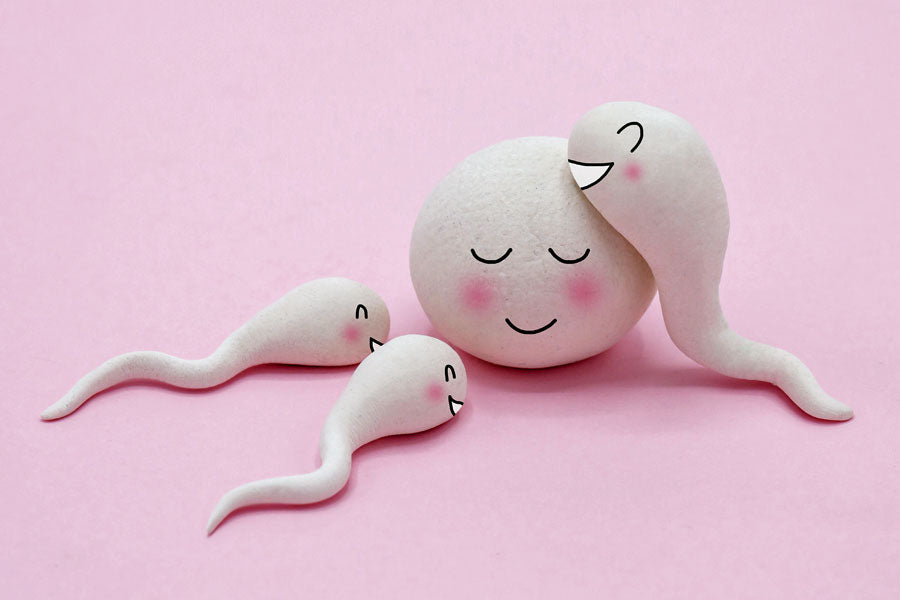
Women are supposed to secrete this fluid even when not sexually aroused to keep the vagina healthy. It is produced in more significant amounts when a woman is sexually stimulated and makes sexual stimulation more comfortable, pleasurable and even increases the likelihood of pregnancy as it aids sperm in traveling up the vaginal canal. In some cases, women can experience excess vaginal lubrication and must use a panty liner to keep it from draining into their panties.
Vaginal dryness can be experienced for various reasons such as stress, tampons, and the use of products such as douches and feminine hygiene products. Prescription medications can also influence vaginal dryness, as can hormonal changes.
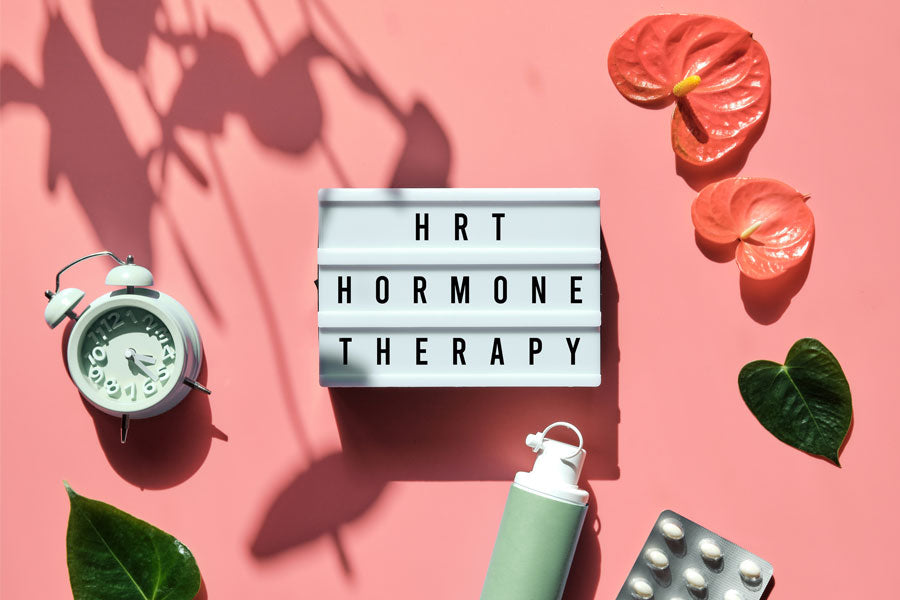
The most common hormonal changes that cause vaginal dryness are seen during menopause. As a woman progresses into menopause, it causes a thinning of the vaginal walls (from nine epithelial layers to about three layers) and the loss of elasticity. Women also lose the ability to produce as much vaginal fluid. Hormone therapy may help as well a vitamins and holistic approaches to keeping menopause symptoms at a minimum. See our Perimenopause & Menopause Guide for more information on this.
It can also be beneficial to use natural moisturizing lubricants (vaginal moisturizers) to replenish lost moisture. Vaginal moisturizers are absorbed into the membrane to help moisturize vaginal tissue. One of the best ingredients for vaginal dryness is aloe, which all of our vaginal moisturizers contain.
Unlike lubricants, vaginal moisturizers are meant to be used often from three days a week to daily, depending on dryness. Lubricants, on the other hand, are designed for sexual activity. Moisturizers tend to be thinner in consistency and may not provide enough comfort during penetration. These moisturizers are absorbed by the vagina, and excess is then discarded, so wearing a panty liner or menstrual cup to catch any excess that comes out may be helpful. See our How to Use Lubricants Properly Guide for more information.
We carry only the best in vaginal moisturizers and research them heavily before allowing them on our website. Explore our Vaginal Moisturizers now.
Lubricants that you should avoid when you have vaginal dryness are those that contain any that are marketed as warming, cooling, and stimulating lubricants, as they are more likely to contain ingredients that can irritate and further dry out your vagina. You should also avoid lubricants containing the ingredients such as nonoxynol as well as PEGs (PEG 90M, Polyethylene glycol, and Polyoxyethylene). Pegs have a high osmolality level which can dry skin and cause dry skin irritation, and nonoxynol-9 may irritate the delicate tissues of the vagina. We do not carry products with these ingredients, nor do we recommend them.
There are many types of lubricants on the market; the more natural, organic, and pure you can get, the better your vaginal health. Make sure to see our Ultimate Personal Lubricant Guide to help you better understand what ingredients to look for and what to avoid in lubes.
Beyond vaginal moisturizers, if you use lubricants, here are suggestions of things to look out for:
It is best to use a water-based lubricant. You should never use a petroleum-based lubricant such as Vaseline as they make you vulnerable to cysts and infections and break down sex toys and condoms. Please note that not all waterbased, oil, silicone or hybrid lubricants are compatible with polyurethane condoms or other birth control, but all are compatible with natural rubber latex and polyisoprene condoms. Make sure to check with each brand to determine if they are compatible before using.
Be aware of the differences between moisturizers, anti-irritants, and drying powders. Vagisil, for example, markets them all under the same name and can make things confusing for consumers.
Anti-irritant creams (often containing 5% to 20% Benzocaine) are used to numb the skin to keep itching to a minimum. These are intended to be used externally on the Labia Majora but should not be applied inside the vagina or Labia Minora. We don't recommend using these as they can have adverse side effects, so make sure to discuss these with your physician before using them.
Feminine powders and talc absorb excess sweat, but like anti-irritants, they should not be applied inside the vagina.
In addition to avoiding unhealthy lubricants, keeping your pelvic floor in good shape will increase the blood supply to your vaginal canal and help prevent dryness. Start doing Kegel exercises. Do Kegels at least twice a day, and within a few weeks, you should see improvement. Some Kegel exercisers also help in making these exercises more effective. Think of them like workouts with weights.
To learn more see our How To Do Kegel Exercises Guide and How To Use Kegel Weights Guide.
Stay Sexually Active
Sexual stimulation solo (see Female Masturbation Tips) or with a partner is also good for vaginal dryness. The old adage of 'use it or lose it' actually is true in this regard. Making sure that you keep healthy blood flow and stimulate your genitals helps it operate the way it should. Using vibrators on your clitoris, labia, and gspot is also helpful as they are very effective at bringing blood to the surface and stimulating your natural lubricants.
Most vaginas have it happen sooner or later, and the best way to deal with it is to keep your vagina healthy even before it happens. If it has already occurred, don't stop just because it gets better. Waiting for it to get uncomfortable is something you will want to avoid. After all, an ounce of prevention is indeed worth a pound of cure.
Don't be embarrassed that you may need a lubricant when sexual activity is started. After all, this is not necessarily a reflection of your desire for your partner and is not something to be ashamed about. If your mouth were dry, you would make sure you were better hydrated and perhaps have a candy to keep your mouth moist. This is no different.
Sexual health is often a source of concern and shame for people, and it does not have to be. Enjoy and celebrate your sexuality, and know that using sexual products that help is nothing more than pampering yourself the same way you put on face cream or exercise. So go ahead and take extra care of your vagina; it deserves the best.